
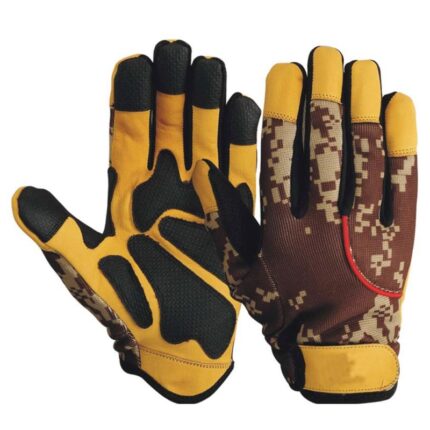
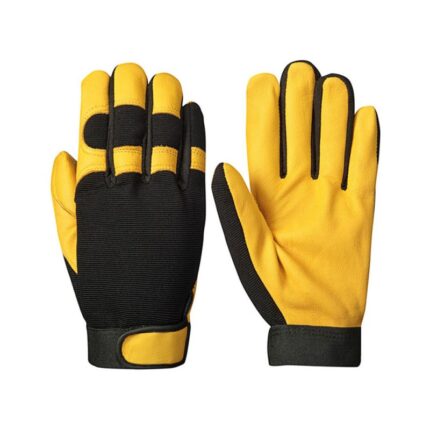
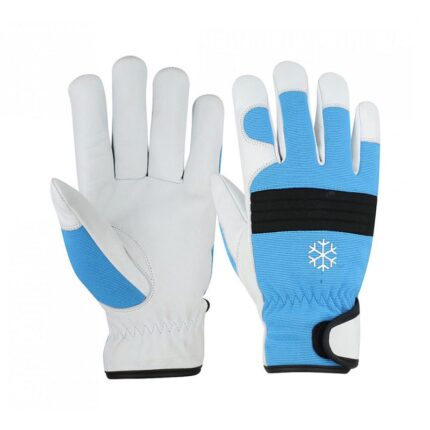
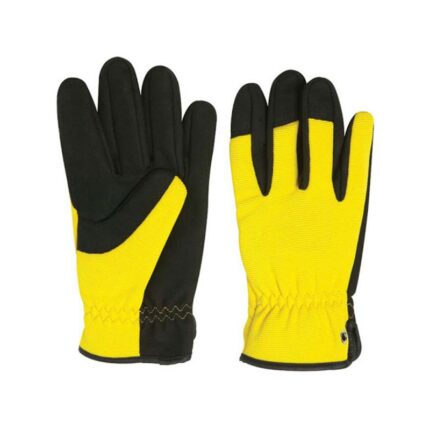
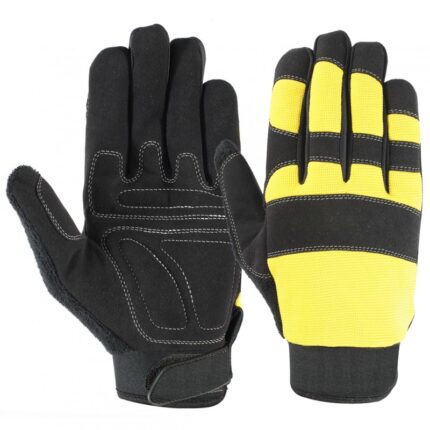
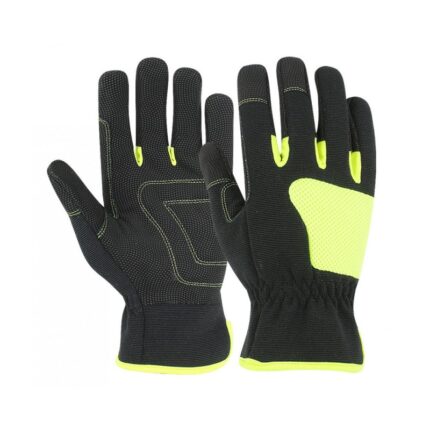
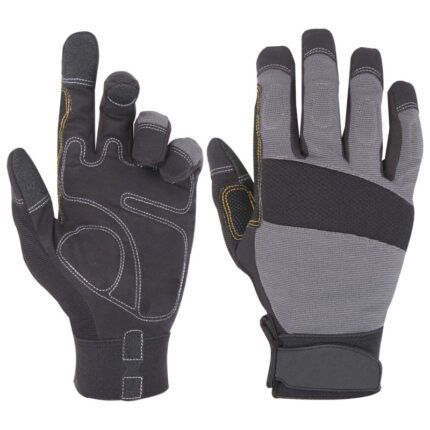
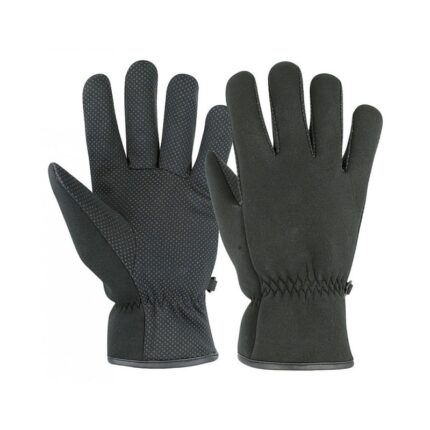
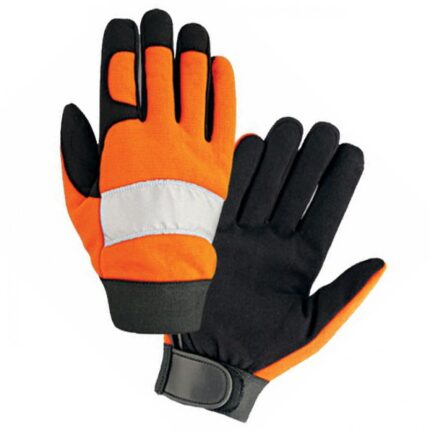
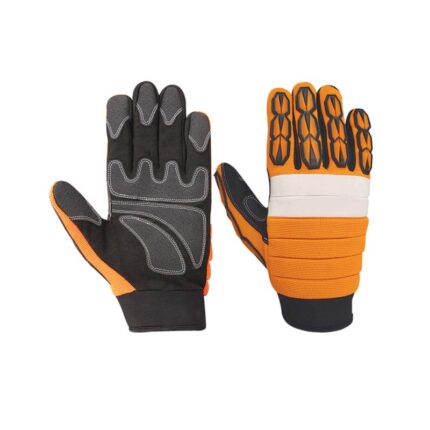
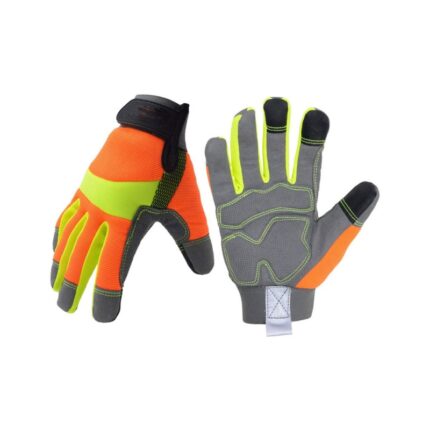
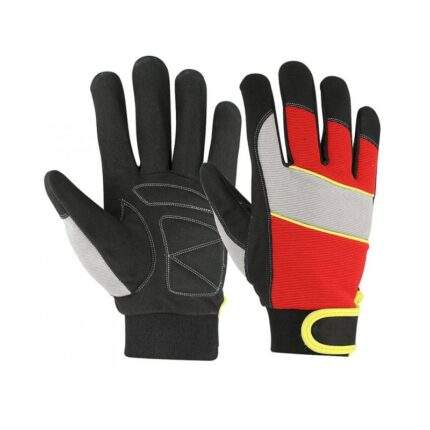
Mechanic Gloves
Mechanic gloves are an essential tool for any mechanic or machine maintenance worker. They serve as a protective barrier against harsh working conditions such as dirt, grease and possible injuries. But these gloves are more than just a safety measure. They are designed with a variety of features and materials to improve grip, improve dexterity and increase work efficiency. This article delves into the world of mechanics gloves and examines their types, materials, special features and the crucial role they play in protection and work efficiency. You’ll also get guidance on how to choose the right pair for your specific needs.
The invisible necessity: mechanic gloves
Mechanic gloves provide protection from dirt, grease and the general roughness that can arise when handling car parts. These gloves are not just for mechanics, they can also be used for servicing all machinery including cars and construction work. They are available in different designs and materials, tailored to individual needs. Mechanic gloves provide extra grip without restricting dexterity and are perfect for handling tools around oil and lubricants. They also help keep oil away from your hands, reducing the need for deep cleaning.
Types of mechanic gloves
Mechanic gloves are protective gloves that protect hands and fingers from injuries. The two most popular types are nitrile rubber (or vinyl) and cotton canvas fabric with a latex coating. Nitrile rubber is more durable than cotton, but can be stiffer when working in tight spaces. Cotton may be easier to stretch if you need to reach further into small spaces. The best glove for a mechanic is the one that works best for them, often with a balance between durability and flexibility. Most mechanics have their preferences, so it’s hard to say which type they prefer when all factors are considered equally.
Material and durability
Mechanic gloves are usually made of durable materials such as leather or synthetic materials such as neoprene. These materials are tough enough to withstand the wear and tear of heavy machinery, yet flexible enough to allow for tactile sensation. Neoprene in particular is a popular choice due to its durability and thermal insulation properties. It allows free hand movement and extends the life of the gloves, making them a cost-effective choice.
Mechanic gloves are more than just a layer of protection; They are a tool that increases work efficiency, reduces fatigue and provides a shield against physical injury and chemical contamination. The right pair can make a significant difference in your work, whether you are a mechanic, construction worker or someone who deals with machinery maintenance. Gloves selection should be based on durability, flexibility, comfort and fit, as well as the specific needs of your work environment. Remember, as with any tool, the best mechanic gloves are the ones that make your job easier and safer. So invest wisely and let your gloves be helpful in your mechanical work.
